
"HB-M5 parts"
50000 article(s) found

Beginners must see the knowledge of coffee pot.
Common coffee pots include French presses, mocha pots, siphon pots, trickling pots and so on. The coffee made from the coffee pot has a relatively low concentration, relatively low sour point, bitter point and alcohol thickness, almost no oil, a light taste, and is usually drunk directly. 1. Strictly speaking, the electric coffee maker includes three types: percolation type, drip type and vacuum type. The percolation coffee maker is the early production of electric coffee maker.
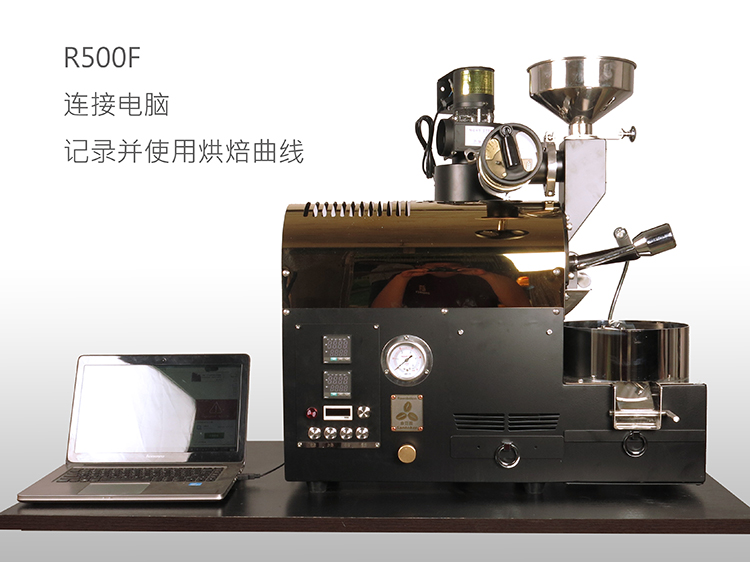
Coffee roaster San Douke brand introduction: San Douke R500F coffee roaster santoker
The inner pot is shapeless and will not destroy the movement track of coffee beans. Cast iron inner pot surface plasma spraying far infrared ceramic emission far infrared ray through coffee beans heating outer ceramic protection inner pot can effectively avoid bean surface scald so fast baking firepower is valuable otherwise the speed is fast beans are all bitter. You can see it, and there is better quality assurance in places you can't see.

How to clean and maintain coffee machine course and daily maintenance
Daily maintenance and cleaning process: 1. Coffee machine brewing head / brewing handle cleaning: (1) after each coffee extraction, remove the coffee handle and pour out the coffee grounds, turn on the cleaning switch, insert the coffee handle, press the hot water out of the washing head using the coffee machine pressure, and clean the coffee handle at the same time. (2) after each extraction, turn on the cleaning switch and heat the coffee.

About coffee machine some parts of the name of English semi-automatic coffee machine
French press: French press method requires the use of a glass or porcelain vessel and a wire mesh, in order to make the taste better, you'd better heat the vessel first, put in the amount of coffee powder after coarse grinding, add hot water just below the boiling point for 5 minutes, stir slowly, and then enjoy

Name resolution structure and picture introduction of coffee machine parts
Coffee machine 1. Change the power switch of the coffee machine to the heating gear every morning to heat the coffee machine. Make sure the power indicator is on and hang the two filter handles on the coffee faucet of the machine. 2. Pour the coffee beans into the bean bowl of the bean grinder and pour out only the amount of beans needed for that day. Repackage the remaining coffee beans and store them in a dry room temperature. 3. About fifteen minutes later

Coffee maker knowledge cleaning and maintenance of Little Eagle (illustration)
Bean grinder-Pegasus 600N Pegasus 600N is a common household bean grinder, this article introduces the use and cleaning and maintenance methods, other similar business reduced version of bean grinder (such as: Xiao Fei Eagle) is also applicable! [parts description] "bean holder": where beans are placed in the shape of a funnel, with a lid "scale adjustment button": No. 1: No. 8, rotatable adjustment grain coarse "tooth disk group": detach scale adjustment

Introduction to varieties of Colombian Coffee produced by Flavor description and Grinding Calibration treatment
Colombian Coffee Flavor description Grinding scale treatment Variety introduction of Colombian Coffee the main varieties of Colombian coffee are small grains. Plants are small trees or large shrubs, 5-8 m tall, usually much branched at base; old branches gray-white, nodes dilated, young branches glabrous, compressed. Leaves thinly leathery, ovate-lanceolate or lanceolate, 6-14 cm long and 3.5-5 cm wide, tip long acuminate, acuminate

Introduction of Colombian Xuefeng Coffee Bean Grinding scale Variety treatment manor area
Colombia Xuefeng Coffee Bean Grinding scale Variety treatment method Manor area introduction Colombia, which is located in the northwest of South America, is a beautiful country with a long history. Indians have lived on this land since ancient times. It was colonized by Spain in 1531 and gained independence in 1819. Renamed in 1886 to commemorate the discoverer of the American continent
Main Edible efficacy of Colombian Coffee
The history of coffee cultivation in Colombia can be traced back to the Spanish colonial era in the 16th century, and there are many theories about the history of coffee in Colombia: one: it is said to come from the island of Haiti in the Caribbean and from El Salvador in Central America. Second: in 1808, a priest introduced coffee beans to Colombia for the first time from the French Antilles via Venezuela. One of them

Introduction to the regional treatment method for the flavor description of Colombian Ramon coffee beans and the characteristics of varieties
Colombian Ramon Coffee Bean Flavor description characteristics of Colombian Coffee varieties the main varieties of Colombian coffee are small-grain coffee. Plants are small trees or large shrubs, 5-8 m tall, usually much branched at base; old branches gray-white, nodes dilated, young branches glabrous, compressed. Leaves thinly leathery, ovate-lanceolate or lanceolate, 6-14 cm long, 3.5-5 cm wide, tip long acuminate

Introduction to the Flavor description of Grinding scale Flavor of Coffee beans in Colombia
The main varieties of Colombian coffee are small grains of coffee. Plants are small trees or large shrubs, 5-8 m tall, usually much branched at base; old branches gray-white, nodes dilated, young branches glabrous, compressed. Leaves thinly leathery, ovate-lanceolate or lanceolate, 6-14 cm long and 3.5-5 cm wide, tip long acuminate, acuminate part 10-15 mm long, base cuneate or slightly obtuse, rarely rounded, entire or

How to use the coffee machine cleaning and maintenance of Little Eagle
Cleaning and maintenance of Little Flying Eagle (pictured) Pegasus 600N Pegasus 600N is a common household bean grinder. This article introduces the use and cleaning and maintenance methods. Other similar business reduced version of bean grinder (such as: Xiaofei Eagle) is also applicable! [parts description] "bean holder": where beans are placed in the shape of a funnel, there is a lid "scale adjustment": No. 1 # 8, coarse particles can be rotated.
Morphology of quality species in Colombian coffee producing area
In terms of yield or texture, Colombian coffee is first produced by Medellin, which is characterized by full granules, rich nutrition, moderate acidity, good balance, rich aroma and soft taste. In addition to Medellin, the provincial capitals of two neighboring provinces in the south, Armenia and Manizales, are also famous coffee producers.

A brief introduction to the Origin, Development, History and Culture of Fine Coffee beans in Santa Rita Manor, Colombia
In order to better promote Colombian coffee, the Colombian Coffee Growers Association (FNC) launched a live-action version of Juan based on this image. Waldez. Now the uncle is the third-generation real-life version. Juan on behalf of Colombian coffee farmers? Uncle Valdez, as the ambassador of Colombian Coffee, will travel around the world to promote Colombian Coffee.

How about Peruvian coffee? what's different about Peruvian coffee?
Professional coffee knowledge exchange more coffee bean information please follow coffee workshop (Wechat official account cafe_style) front street coffee introduction: Peruvian coffee producing areas what coffee producing areas are there in Peru? The coffee producing areas of Peru are mainly divided into three parts, the north, the central and the south. Longbach's younger brother mainly went to the producing areas of Huning, Cusco and Puno in the central and southern parts of the country.
Coffee machine daily cleaning and maintenance details of coffee machine maintenance
[daily cleaning] every time you get rid of the foam: open the steam valve for 2 seconds to spray the milk accumulated in the steam pipe. Clean the nozzle and steam pipe with a damp cloth to prevent the accumulation of milk dirt. Daily maintenance and cleaning process: 1. Coffee machine head / handle cleaning: (1) after each coffee is extracted, remove the coffee handle and pour out the coffee grounds, turn on the cleaning switch and embed.

Flavor description of Columbia narino Coffee Bean introduction to the production area of Grinding scale varieties
Description of the flavor of Colombian narino coffee beans the varieties of Colombian coffee are mainly small-grain coffee. Plants are small trees or large shrubs, 5-8 m tall, usually much branched at base; old branches gray-white, nodes dilated, young branches glabrous, compressed. Leaves thinly leathery, ovate-lanceolate or lanceolate, 6-14 cm long, 3.5-5 cm wide, tip long acuminate
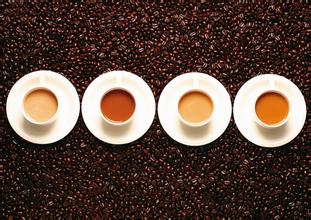
Flavor description of Columbia narino Coffee Bean introduction to the production area of Grinding scale varieties
Description of the flavor of Colombian narino coffee beans the varieties of Colombian coffee are mainly small-grain coffee. Plants are small trees or large shrubs, 5-8 m tall, usually much branched at base; old branches gray-white, nodes dilated, young branches glabrous, compressed. Leaves thinly leathery, ovate-lanceolate or lanceolate, 6-14 cm long, 3.5-5 cm wide, tip long acuminate

Nicaraguan Coffee Variety Maracadura Information Price introduction _ Nicaraguan Coffee good?
Professional coffee knowledge exchange more coffee bean information please follow Coffee Workshop (Wechat official account cafe_style) Nicaraguan Coffee Bean-Picuna Farm La Picona Malakadura Experimental batch Pickona Farm (Finca La Picona) located in Dipilto, the northernmost part of Nicaragua, with an area of less than 5 hectares and an elevation of 1300
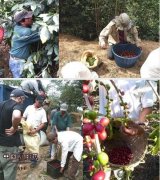
It takes 3-5 years from coffee tree planting to coffee bean harvest.
Coffee trees take 3-5 years from planting to fruiting. 6-10 years of coffee trees are the most likely to bear fruit, about 15-20 years, is the harvest period. Coffee trees are usually bred in nurseries and grow into saplings, and then moved to coffee farms a year later, in full compliance with the way the Arabs planted and cultivated coffee trees. Coffee trees will continue to take root downward and upward in the first four or five years of their growth.